









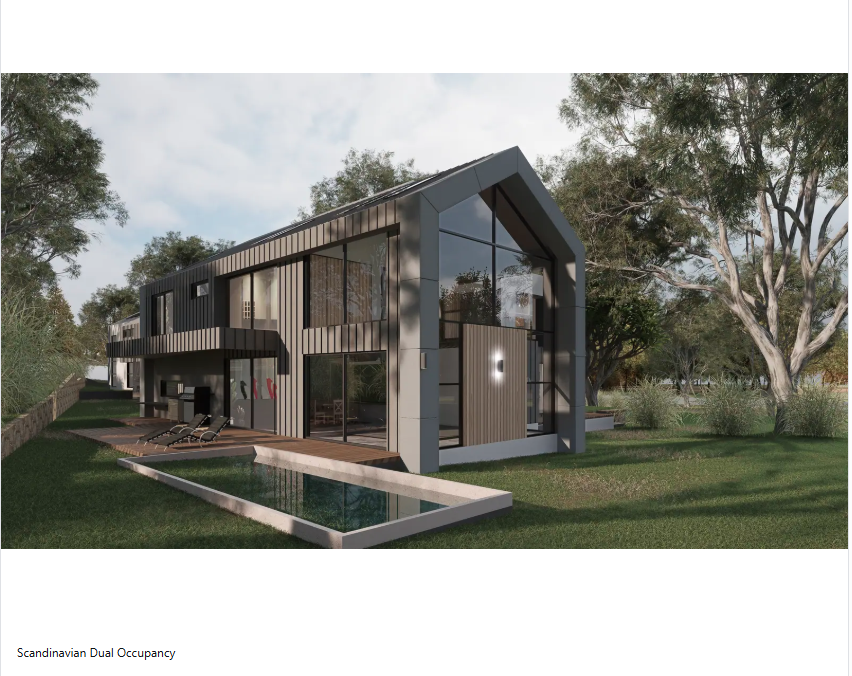
Selecting an architect is an important project decision. A good conversation should help you understand not only what the finished building might look like, but how the team will test the site, develop options, coordinate advice and carry decisions into construction.
1. Are you a registered architect?
Ask who is registered, where they are registered and who will take professional responsibility for the work. Registration is different from a business name or a general design qualification. You can check the relevant public register rather than relying only on a website statement.
2. Who will actually lead my project?
The person presenting the practice may not be the person handling the day-to-day work. Ask who will attend meetings, develop the design, coordinate consultants, review documentation and answer questions during construction.
3. Have you worked on a similar project?
Similarity can mean project type, site condition, planning pathway, construction method or budget—not merely appearance. Ask to see relevant work and to hear what made those projects difficult.
4. What do you see as the main risks on my site?
A useful early answer should address the actual site: planning controls, slope, access, trees, easements, heritage, neighbouring development, orientation, services or approval requirements. Be cautious when certainty is offered before the site has been checked.
5. What is included in your scope?
Ask for services to be separated into feasibility, concept design, approvals, detailed documentation, tender support and construction-stage involvement. The proposal should state what is included, what is excluded and what information the client must provide.
6. How are fees calculated?
Fees may be fixed by stage, hourly, percentage-based or a combination. The important point is clarity: understand the assumptions, payment stages, additional-service rates and what happens when the brief, programme or approval pathway changes.
7. Which consultants will I need?
Depending on the project, the team may include surveyors, engineers, planners, energy assessors, certifiers, heritage specialists, landscape architects, access consultants, traffic consultants or quantity surveyors. Ask who appoints and coordinates them.
8. How will you manage my budget?
An architect is not a builder or quantity surveyor, but design decisions should still be tested against the agreed budget. Ask when cost advice will be obtained, how options will be compared and how scope decisions will be recorded.
9. How do you approach planning and approvals?
The answer should distinguish design from approval strategy. Ask what pathway appears likely, what remains uncertain, which reports may be needed and how authority feedback or additional information will be handled.
10. What documentation will I receive?
Ask what drawings, schedules, specifications and digital information are included at each stage. Clear documentation supports consultant coordination, certification, pricing and construction, but the required level depends on the agreed service.
11. Will you remain involved during construction?
Construction-stage services can include tender advice, answering requests for information, reviewing shop drawings, attending site meetings and assessing design changes. Confirm what is included before choosing a builder or signing a building contract.
12. How will decisions and changes be recorded?
Good communication is more than frequent meetings. Ask how instructions, approvals, programme decisions, drawing revisions, consultant inputs and scope changes will be documented so that everyone is working from the same information.
Before signing an agreement
Ask for clarity you can refer back to.
Review the written scope, fee, programme assumptions, exclusions, consultant responsibilities, deliverables and termination provisions. Take time to ask questions before the work begins.